Expeditions into the Caustic Unknown
The traditional perception of a lake is one of life-giving freshwater, teeming with ecological balance. Yet, in the most extreme, geologically active sectors of the planet, bodies of water become volatile cauldrons of toxic chemistry. These environments are not anomalies by accident; they are the direct result of magmatic intrusion, severe evaporation, and the violent upwelling of subterranean gases. Surviving an expedition to these locations requires profound respect for the lethal nature of Earth's foundational forces.
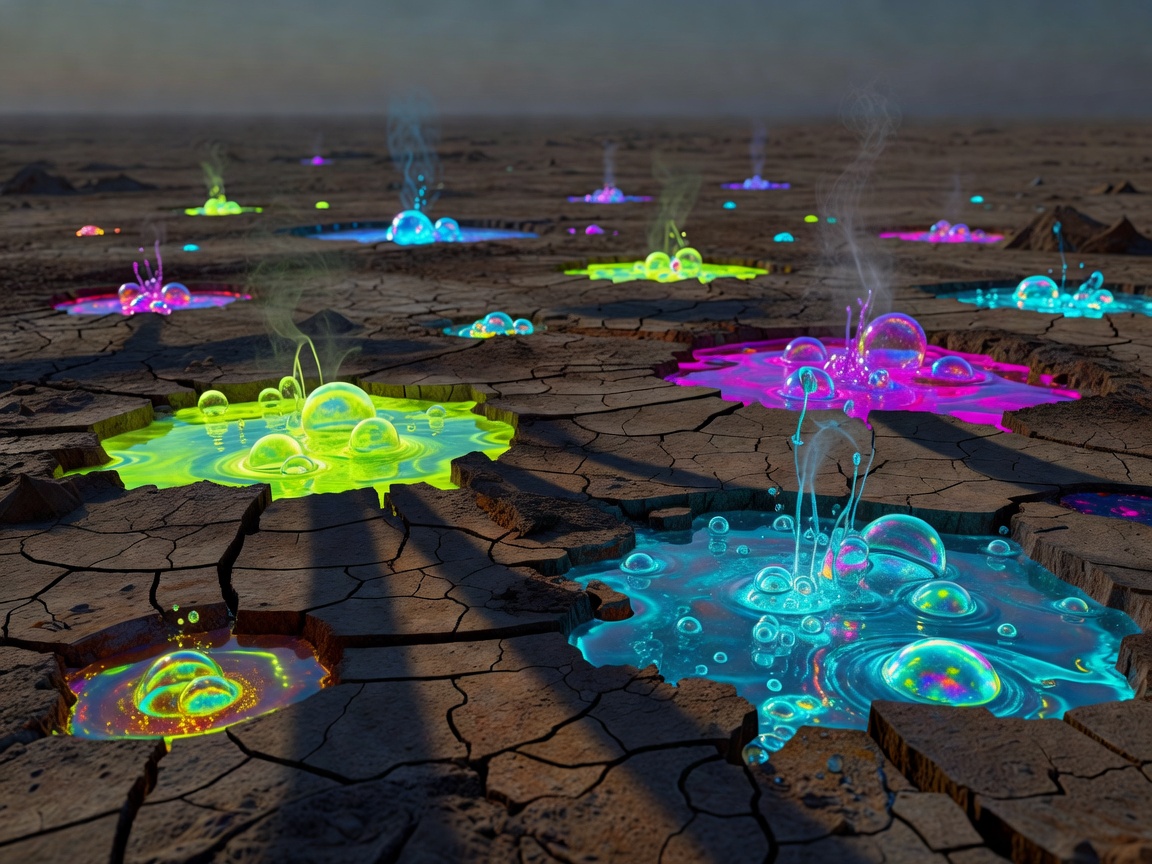
In regions where tectonic plates tear apart, the crust thins drastically. Magma chambers heat aquifers to boiling points, forcing heavy metals, sulfur, and concentrated acids to the surface. The resulting pools display impossible neon hues—a stark warning from nature. The pH levels in these zones often drop below 1, acidic enough to dissolve human tissue and protective synthetic gear within minutes.
The Gates of Hell
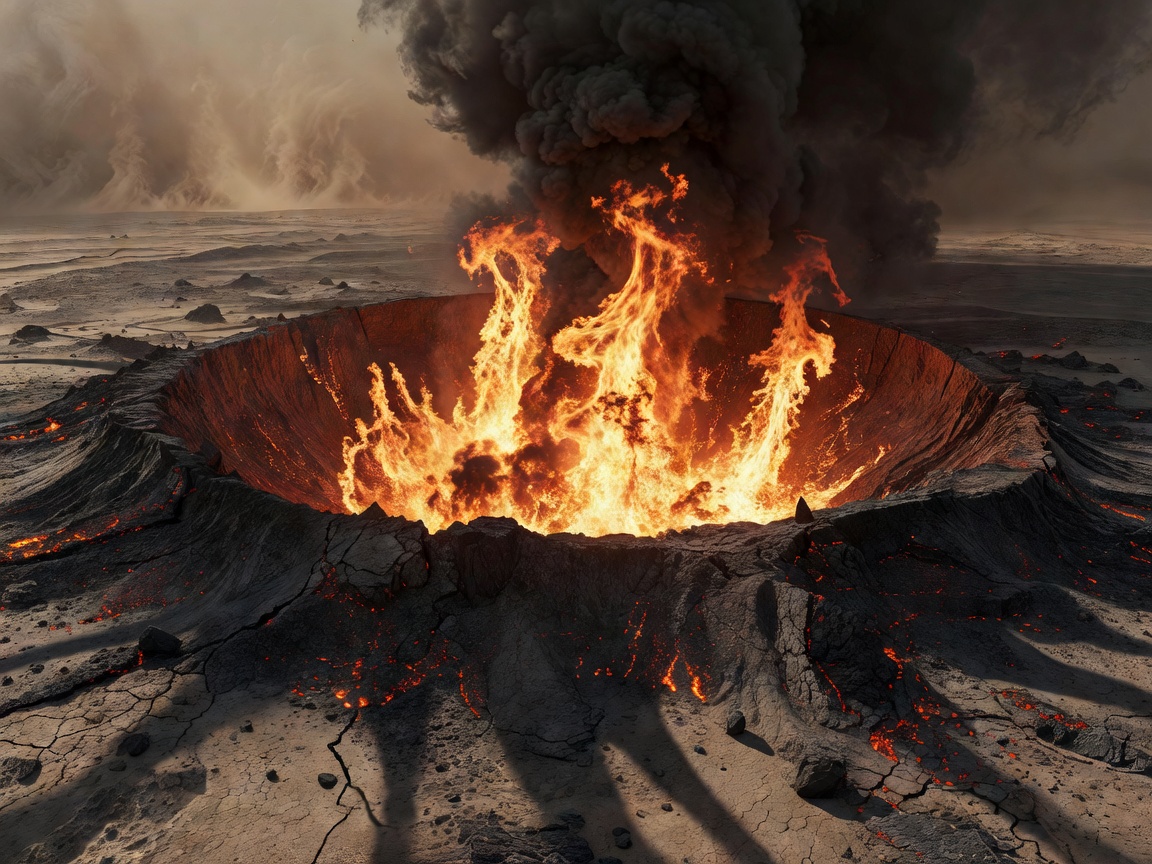
While not a lake of water, the Darvaza gas crater in the Karakum Desert represents a fluid dynamic of burning methane that acts much like a liquid vortex of fire. Colloquially known as "The Gates of Hell," this massive collapse in the earth has been continuously burning for decades. The intense heat radiation creates a micro-climate of atmospheric distortion around the rim, making visual navigation treacherous.
Our instruments indicate that the subterranean gas reserves feeding the crater are immense. The sheer scale of the combustion defies standard suppression methods, leaving a permanent, roaring scar on the desert floor. The awe-inspiring glow of the crater is visible for miles at night, standing as a brutal monument to the intersection of industrial failure and raw geological power.
The Danakil Depression
Sitting more than 100 meters below sea level, the Danakil Depression is a symphony of hyper-salinity and hydrothermal acid. The pools here boil with iron-rich crusts and emit highly toxic chlorine and sulfur dioxide vapors. Navigating the brittle crust requires extreme caution; one false step could plunge an explorer into boiling sulfuric acid. Yet, amidst this hostile wasteland, extremophile polyextremophiles thrive, rewriting the biological rules of survival.