Subterranean Crystalline Forests
Far beneath the surface of the Earth, environments exist that defy the logical scale of the human mind. The deep subterranean world is not merely rock and dust; under the right hyper-thermal conditions, it births geometric structures of awe-inspiring magnitude. Expeditions into these depths are constrained not just by darkness, but by lethal ambient temperatures and crushing humidity levels that can induce systemic failure in the human body within twenty minutes.
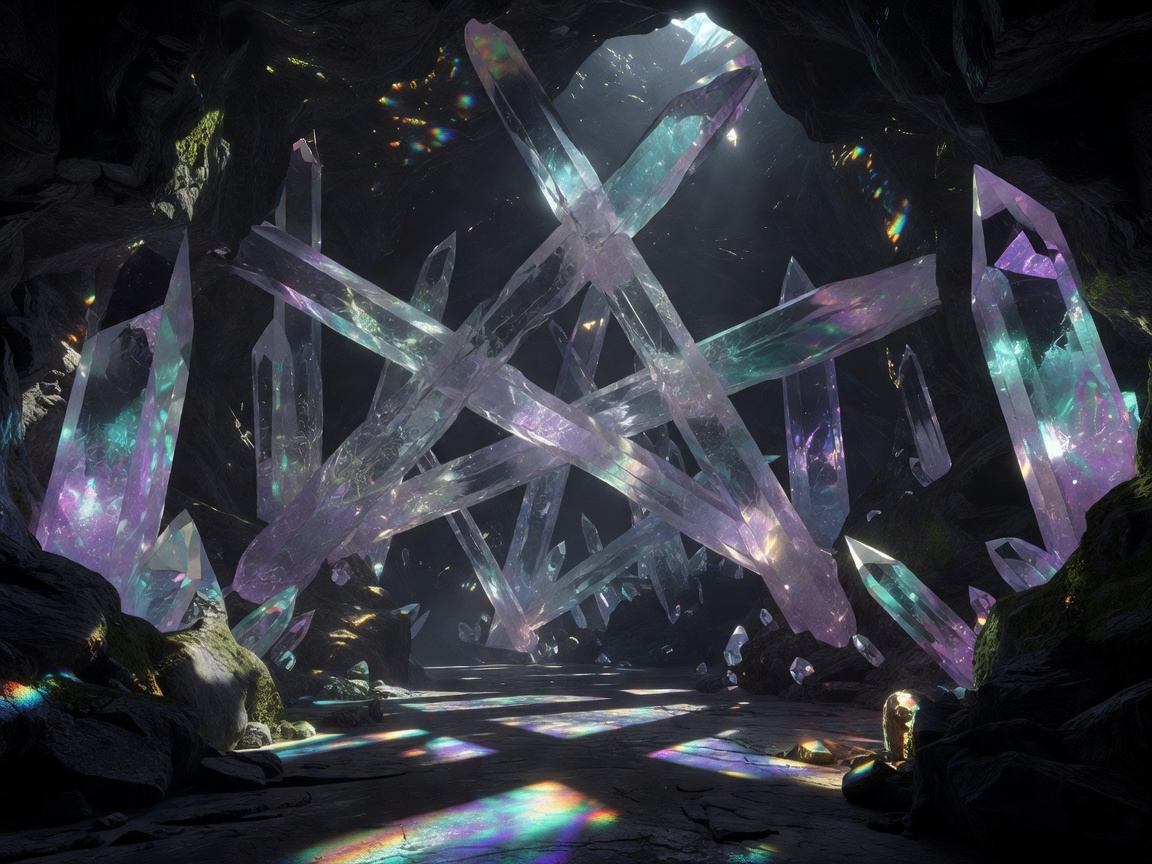
The Naica Mine in Mexico hosts the Cave of the Crystals, a subterranean chamber laced with selenite beams reaching lengths of over 11 meters and weighing up to 55 tons. These megacrystals grew continuously over half a million years, submerged in mineral-rich, 58-degree Celsius water driven by an active magma chamber below. The sheer awe of standing among these towering, translucent pillars is heavily tempered by the claustrophobic reality of wearing heavily insulated ice-suits just to survive a brief reconnaissance.
Blood Falls of Antarctica
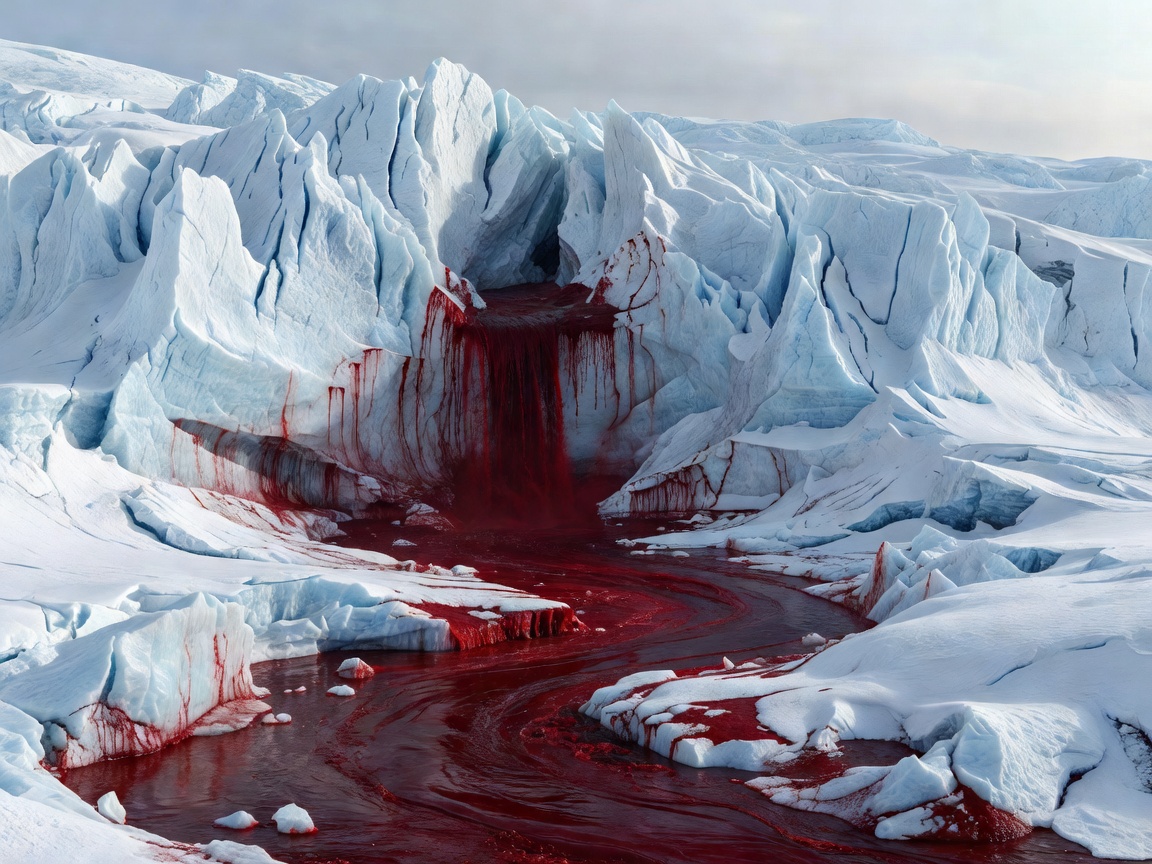
The stark geometry of subterranean anomalies is not limited to thermal extremes. In the frigid wastes of the Taylor Glacier, an alien phenomenon cuts through the ice. The Blood Falls of Antarctica presents a visceral, deep crimson liquid cascading out of the pristine white glacial face. Originally hypothesized to be the result of red algae, rigorous expeditionary sampling proved it to be something much stranger.
The source is a subglacial lake trapped beneath the ice for over two million years. Cut off from light and oxygen, the hyper-saline water accumulated immense amounts of iron. When it finally escapes through fissures in the glacier and makes contact with the oxygenated atmosphere, the iron instantly rusts. The resulting flow is a stark, heavy crimson brine that paints the ice in dramatic, bloody strokes—an awe-inspiring display of extreme biochemistry and deep-earth isolation.
Expedition Hazards
Whether facing 100% humidity and boiling ambient air in crystal caverns or sub-zero anoxic brines in polar extremes, our logbooks reflect a singular truth: the Earth is largely hostile. Proper environmental isolation suits, closed-circuit breathing apparatuses, and rigid time-management protocols are the only variables separating a successful mapping from total collapse.