Living Light and Painted Earth
While much of our expeditionary focus lies in lethal extremes, the Earth also produces profound visual anomalies driven by microscopic chemistry and deep-time geological layering. These occurrences transform ordinary landscapes into hyper-vibrant canvases, challenging our fundamental understanding of natural pigmentation and light generation.
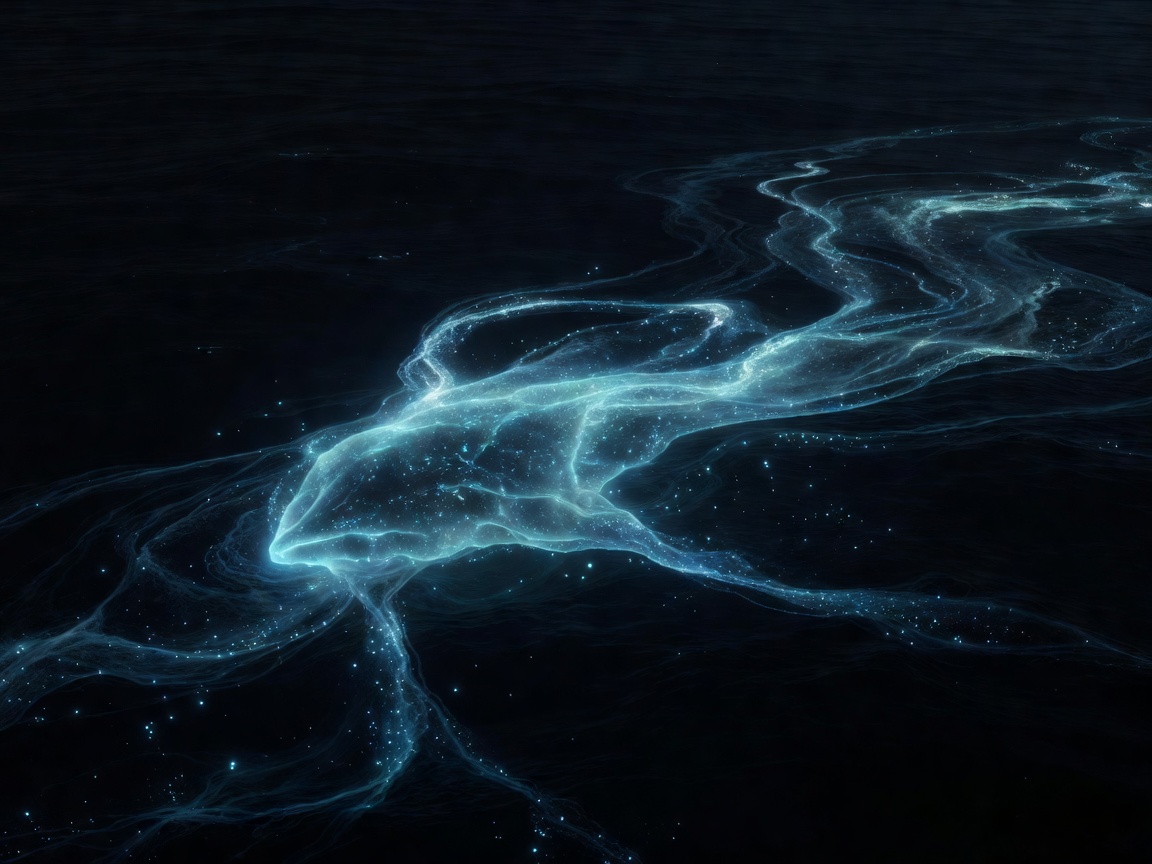
Bioluminescence is the cold light emitted by living organisms, primarily synthesized through the oxidation of luciferin. In secluded bays and deep oceanic trenches, dinoflagellates react to kinetic disturbance by flashing intensely. A midnight expedition on a kayak through these waters feels akin to traversing a liquid nebula. Every paddle stroke ignites a glowing trail, revealing the vast, unseen biological density of the ocean.
Rainbow Mountains
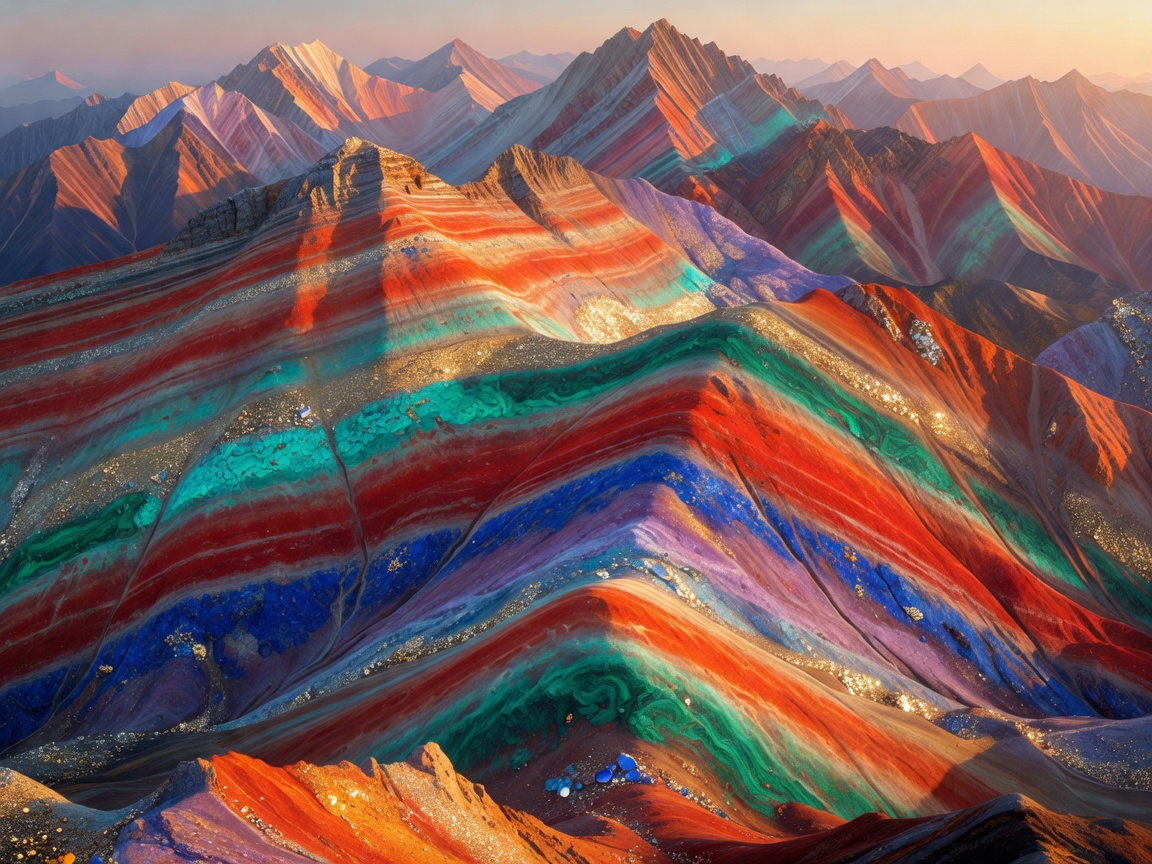
If bioluminescence paints the water, oxidized minerals paint the rock. The Zhangye Danxia Landform, often referred to as the Rainbow Mountains, is a geological masterpiece born from 24 million years of tectonic compression. Layers of sandstone and diverse minerals were pressed together and subsequently folded by the collision of the Indo-Australian and Eurasian plates.
The result is a rolling terrain of sharp, stratified peaks exploding in bands of crimson, yellow, green, and deep maroon. Weathering and erosion have sculpted these painted layers into pillars and ravines. Recording topographic data here is visually overwhelming; the landscape actively mimics digital, highly-saturated abstract art, yet is composed entirely of raw earth. Awe-inspiring and scientifically dense, it stands as an exposed archive of planetary history.
Capturing the Glow
Documenting these phenomena requires highly sensitive optical sensors. Low-light photography of bioluminescence is notoriously difficult, as the emission bursts are fleeting. Similarly, capturing the true saturation of the Rainbow Mountains demands precise timing with the low-angle light of dawn or dusk, as harsh midday sun washes out the oxidized hues.